
Waterholes on Safari
“The waterhole knows the thirst of every animal.”

Waterholes and rivers are some of the most dynamic places to spend time on safari. They are gathering points where predators, prey, birds, reptiles, and water-loving wildlife can all interact, creating constantly changing scenes of Serengeti life.
Waterholes Through the Seasons
Dry Season | June–October
As the dry season progresses, water becomes increasingly precious and wildlife often concentrates around the remaining permanent rivers, pools, and waterholes. This can make dry-season waterhole viewing particularly rewarding, as elephants may arrive in family groups to drink, bathe, and splash, while zebras, wildebeest, buffalo, and antelope wait nearby for their turn.
Hippos spend much of the day partially submerged in deeper water, occasionally emerging to yawn, grunt, or jostle with one another. Along the shoreline, Nile crocodiles may lie almost motionless waiting for an opportunity, while Nile monitors patrol the banks looking for fish, eggs, insects, and other food.
Waterholes can also create opportunities for predator sightings. Lions and leopards may use areas around water as part of their hunting territory, while cheetahs can sometimes be found nearby where prey animals gather. Predators don't necessarily attack every time they encounter prey, however, which makes simply watching the animals' behavior fascinating… Such as an impala herd suddenly becoming alert, zebras bunching together, or elephants becoming noticeably defensive can all signal that something has changed.
And don't forget to look up. Bird activity around water can be extraordinary, with herons, egrets, kingfishers, storks, lapwings, and other water-associated species feeding along the edges. Smaller birds may take advantage of animals stirring up insects, while birds of prey can watch from nearby trees.
Green Season | November–May
When the rains arrive, the Serengeti transforms. Seasonal streams, puddles, pools, and wetlands appear across the landscape, allowing wildlife to find water in many more places and reducing the need for animals to gather at a single waterhole.
That doesn't make waterholes less interesting. Elephants may have more options for drinking and bathing, hippos remain tied to deeper permanent water, and crocodiles continue to occupy rivers and pools, while zebras, wildebeest, giraffes, and antelope can spread throughout the newly green landscape.
The green season can also bring an abundance of young animals. During the January–March calving season, wildebeest calves and other newborns fill the plains, while predators take advantage of the abundance of vulnerable prey. Watching a lioness with cubs near water, a herd of zebras keeping their foals close, or an elephant family protecting a young calf can provide a fascinating glimpse into the challenges of raising young in the Serengeti.
For birdwatchers, the green season is particularly rewarding. Fresh vegetation, temporary wetlands, and seasonal water sources create excellent feeding opportunities, while migratory birds add to the already impressive variety of resident species.
Water & Wildlife in the Seronera Valley
Moyo Camp Warangi's location near the Warangi River provides access to riverine habitat within the Seronera Valley, where permanent water contributes to year-round wildlife viewing. This makes the area particularly interesting for observing animals that depend on or frequently visit waterways, from hippos and elephants to crocodiles, birds, and Nile monitors.
During the dry season, the importance of permanent water becomes especially apparent. An elephant family may arrive to drink and cool themselves, while hippos occupy deeper sections of the river and crocodiles bask along the banks; meanwhile, zebras and antelope may approach cautiously from the surrounding grasslands.
The Warangi River also offers opportunities to look beyond the obvious wildlife. Nile monitors may be seen basking along the banks or slipping into the water, while birds work the shoreline for fish and insects. With an experienced guide, guests can spend time observing how all these animals use the same habitat in completely different ways.
Discovering Seasonal Waterways
From Moyo Camp Hembe, guests explore a central Serengeti landscape where seasonal waterways, pools, and drainage areas change dramatically with the rains. During wetter months, fresh water spreads across the landscape and contributes to lush vegetation, attracting wildlife to a much wider area.
This can create a particularly beautiful safari experience. Instead of large concentrations of animals at a single water source, guests may encounter zebras grazing beside fresh pools, elephants moving through greener vegetation, birds gathering around temporary wetlands, and antelope spreading across the plains.
As the dry season progresses and temporary water sources disappear, reliable water becomes increasingly important. Animals may begin concentrating around the remaining sources, creating more opportunities to observe interactions between species—and potentially the predators that know these gathering points are valuable hunting grounds.
Water in the Northern Serengeti
Moyo Migration Camp Mara offers access to the Northern Serengeti, where the Mara River is an especially important permanent water source. The river and surrounding habitat support an extraordinary range of wildlife, including hippos, crocodiles, elephants, zebras, wildebeest, antelope, birds, and predators.
During the migration season, the river becomes part of the larger Great Migration story as wildebeest and zebras move through the northern Serengeti. The famous river crossings are spectacular, but there is much more to observe: herds drinking at the river's edge, crocodiles waiting in the water, hippos defending their space, and predators taking advantage of the concentrations of prey.
Even outside migration season, the Mara River remains an important wildlife corridor. Elephants may come to drink and bathe, hippos gather in deeper sections, crocodiles bask along the banks, and birds patrol the shallows, creating a lively ecosystem that changes throughout the day.
For guests who enjoy watching animal behavior, the Mara can be especially rewarding because the river creates natural boundaries between species. A herd of zebras may approach cautiously while elephants move confidently toward the water, hippos defend their space, and crocodiles remain almost invisible until they move.
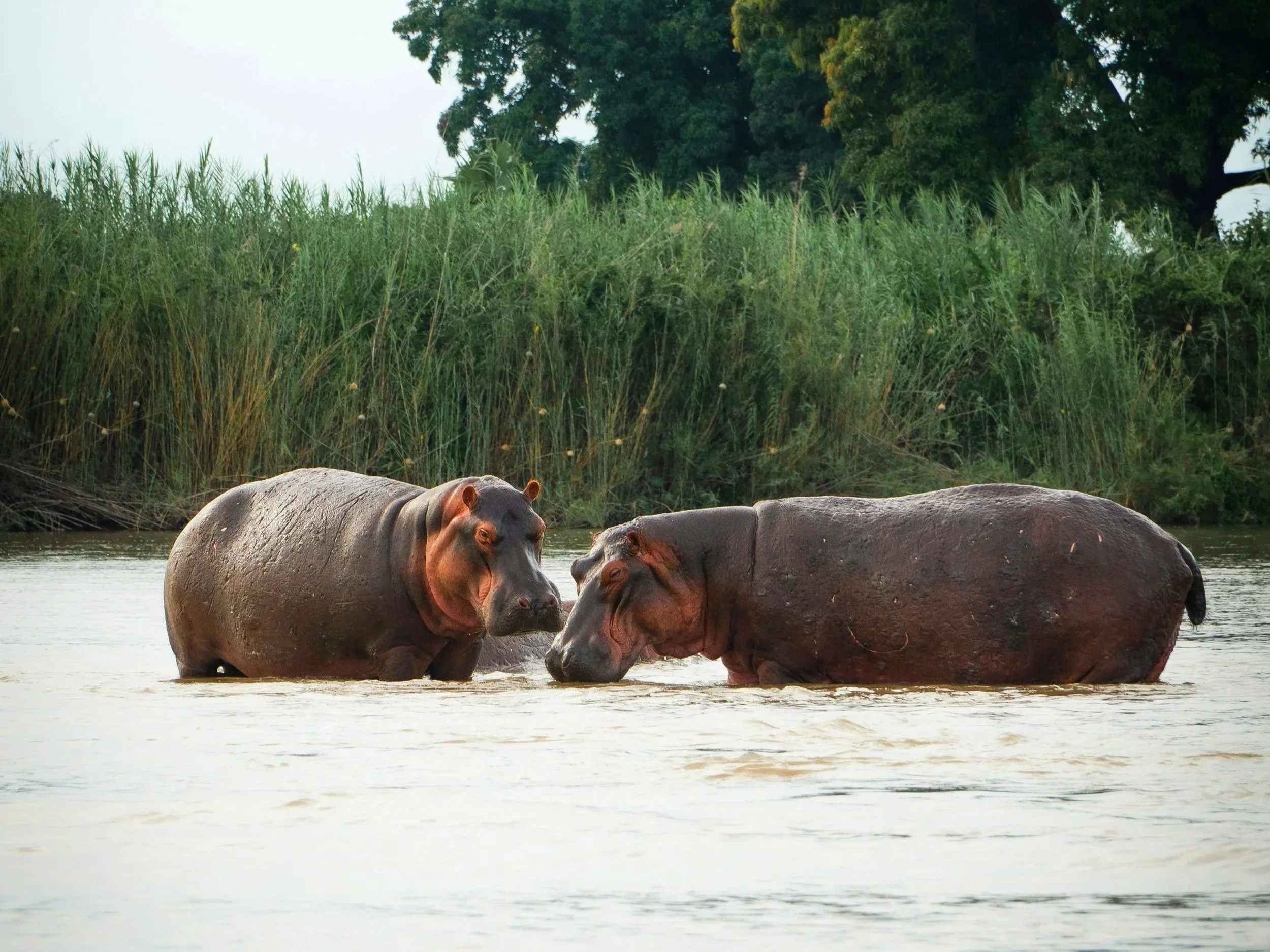
At Moyo Tented Camps, each location offers a different perspective on the relationship between water, wildlife, and the seasons.
Photo Credit to Bart van der Lugt
Let’s start planning your safari!