
“Great experience! Very nice staff. Delicious food. Big tents. We saw lions right next to camp, it was amazing!”
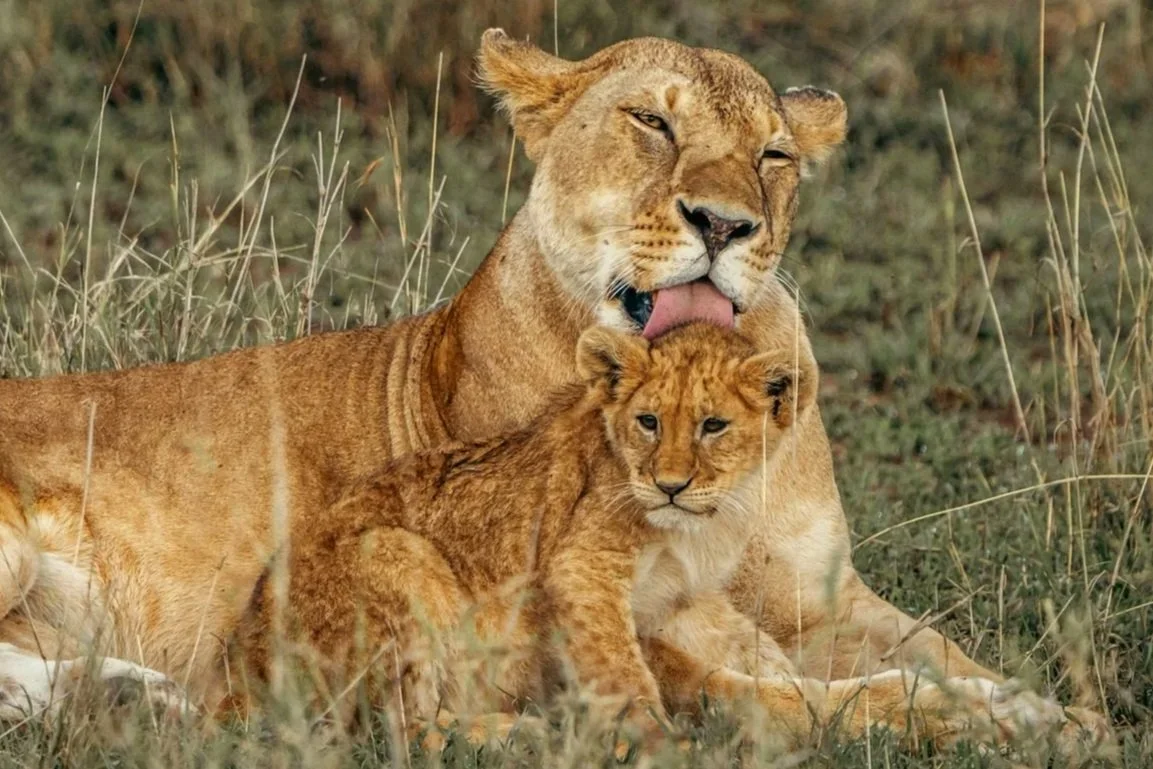
The Serengeti's resident lion populations make it an exciting destination for photographers, and Moyo Tented Camp's three locations provide access to different habitats where these young predators can be encountered.
Photo Credit to Matthew Stephenson
Where and When to Photograph Lion Cubs
The central Serengeti, particularly the Seronera Valley, is famous for its resident lion populations and offers excellent opportunities to photograph prides throughout the year. Moyo Camp Warangi, situated near the Warangi River, provides access to riverine habitats, open grasslands, and nearby kopjes where lions may rest and raise their young. Moyo Camp Hembe, between the central and western Serengeti, offers access to quieter wildlife areas, rocky outcrops, and expansive plains. Farther north, Moyo Migration Camp Mara provides opportunities to photograph resident predators against the dramatic landscapes of the northern Serengeti.
Lion cubs can be born throughout the year, but seasonal conditions influence photography opportunities:
January–March: The green season and Great Migration calving period bring abundant wildlife to the Serengeti. Fresh vegetation creates beautiful photographic backgrounds, while the concentration of newborn wildebeest and zebra attracts predators. Look for lionesses resting with their cubs around kopjes and woodland edges in the central Serengeti.
April–May: The long rains bring lush vegetation and dramatic skies, creating beautiful landscape photography opportunities. Cubs may be more difficult to photograph in taller grasses, but the softer light and fewer safari vehicles can make for rewarding encounters.
June–October: The dry season brings golden grasslands and shorter vegetation, which can make lions and their cubs easier to spot. Clearer sightlines and warm afternoon light are particularly appealing for wildlife photographers. Look around riverine vegetation, kopjes, and shaded resting areas.
November–December: The short rains refresh the landscape, bringing vibrant greenery and beautiful skies. Migratory birds begin returning, adding variety to wildlife photography, while resident lion prides continue to offer opportunities for cub sightings.
Photography tips for finding and capturing lion cubs:
Look for lionesses first: Mothers are often close to their young, even when cubs are hidden in vegetation. Watch for lionesses repeatedly returning to the same resting area.
Photograph during cooler hours: Early mornings and late afternoons offer softer natural light and are often when cubs are more playful and active.
Bring a telephoto lens: A zoom lens helps capture facial expressions, playful interactions, and close-up portraits without disturbing the animals.
Capture interactions, not just portraits: Look for cubs grooming one another, nursing, chasing siblings, or playing with their mothers. These moments tell a much richer wildlife story.
Use the surrounding landscape: Include kopjes, acacia trees, and golden grasslands to create environmental portraits that capture the Serengeti setting.
Be patient: Cubs may spend long periods sleeping or hiding in vegetation. Waiting quietly can reward photographers with spontaneous moments that would otherwise be missed.
Always follow your guide's instructions, maintain a respectful viewing distance, and never encourage a vehicle to approach or disturb a pride for a better photograph.
Photographing Life Within the Pride
One of the most fascinating aspects of photographing lion cubs is capturing their relationships with the rest of the pride. Lions are highly social animals, and their cubs grow up surrounded by a complex family structure that offers plenty of interesting photographic opportunities.
The bond between mothers and cubs: Lionesses are devoted mothers, nursing, grooming, protecting, and teaching their young. When several related females have cubs around the same time, they may share nursing and caregiving responsibilities. Photographers may be lucky enough to capture several generations resting together or mothers watching over a group of youngsters.
Playful siblings: Cubs spend much of their early lives chasing, wrestling, pouncing, and play-fighting. These interactions help develop coordination, strength, and hunting skills. Fast shutter speeds are particularly useful for capturing the movement, expressions, and energy of these playful moments.
Learning from older pride members: Young lions learn by observing adults. They gradually begin following the pride on hunts, exploring their surroundings, and practicing behaviors they will need as adults. Photographing these learning moments can provide a fascinating glimpse into how young lions develop.
The role of male lions: Resident males help defend their pride and territory against rival males. However, changes in pride leadership can put young cubs at risk. When unrelated males take over a pride, they may kill existing cubs, causing females to return to breeding sooner. This is one of the natural challenges that makes the early stages of a lion's life particularly vulnerable.
Protecting Lion Cubs’ Futures
Every photograph of a lion cub tells a story about the future of the Serengeti's wildlife. Although lions are among Africa's most iconic predators, their populations face ongoing pressures, including habitat loss, human-wildlife conflict, declining prey availability, and other environmental challenges.
Serengeti National Park plays a vital role in protecting lion habitat and maintaining the ecosystem that supports their survival. Managed by the Tanzania National Parks Authority (TANAPA), the park safeguards important wildlife habitats and supports conservation and park management initiatives.
When you visit the Serengeti, your park fees contribute to the management and protection of this remarkable wilderness. At Moyo Tented Camp, a portion of accommodation costs also goes to TANAPA to support park conservation. These contributions help maintain the protected landscapes that lions, their cubs, and countless other species depend upon.
Responsible wildlife photography also plays an important role. Keeping a respectful distance, never surrounding animals, avoiding excessive noise, and allowing lions to behave naturally help minimize disturbance. Sharing photographs and stories that celebrate wildlife in its natural environment can also inspire greater appreciation for conservation.
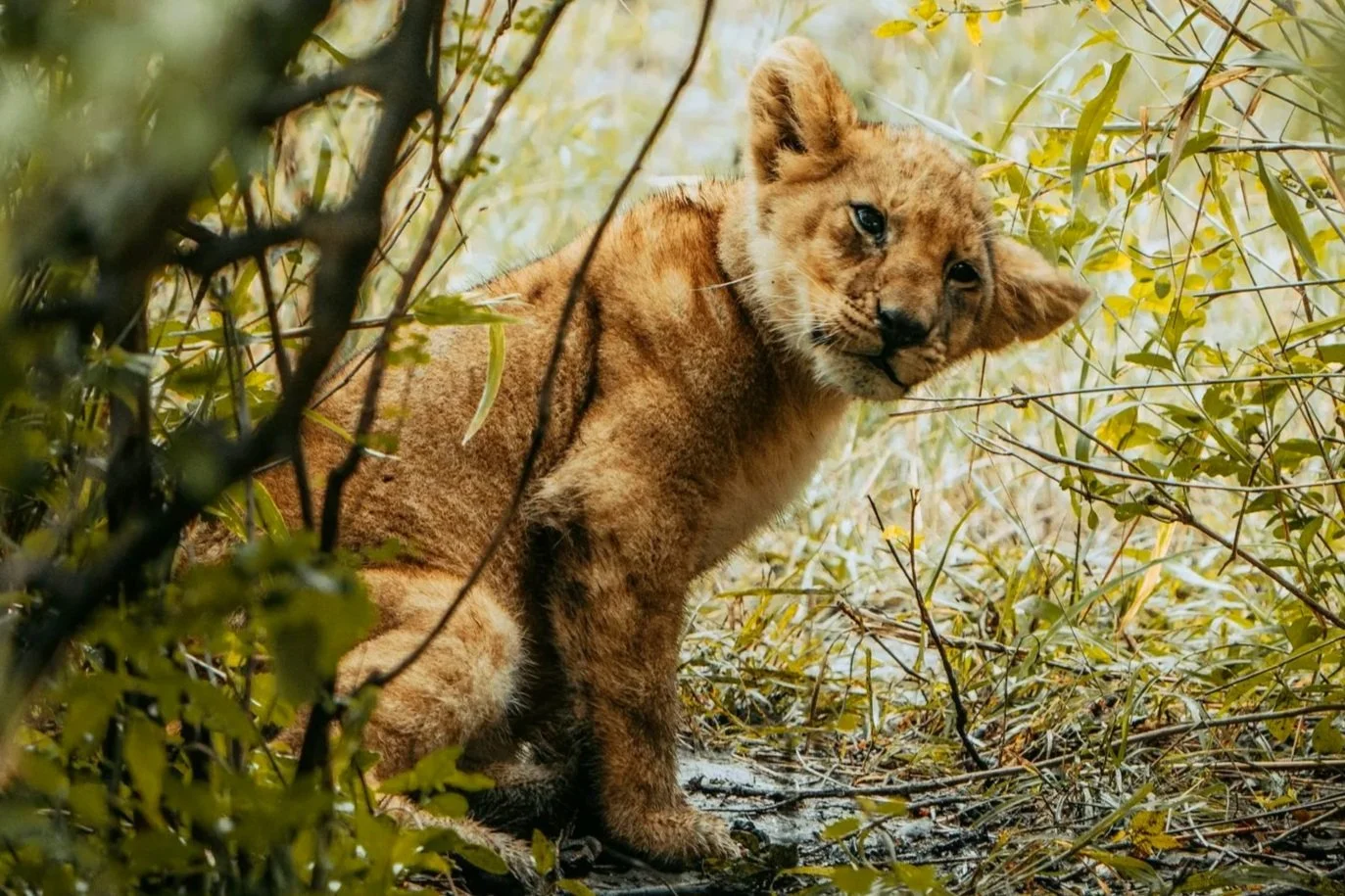
With three Moyo Tented Camp locations across the Serengeti, photographers can explore diverse habitats and enjoy opportunities to discover the region's resident lion populations while supporting the conservation of the wilderness they call home.
Photo Credit to Matthew Stephenson
Capture incredible lion cub moments for yourself.