
Lion Pride Dynamics
“Wildlife often wanders through the camp, especially at night, which was really cool. We had a family of lions visit one day around dusk as well as some buffalo and zebras.
You never felt unsafe despite being so close to the wildlife as the staff were very attentive and walked guests to and from their rooms at night. ”
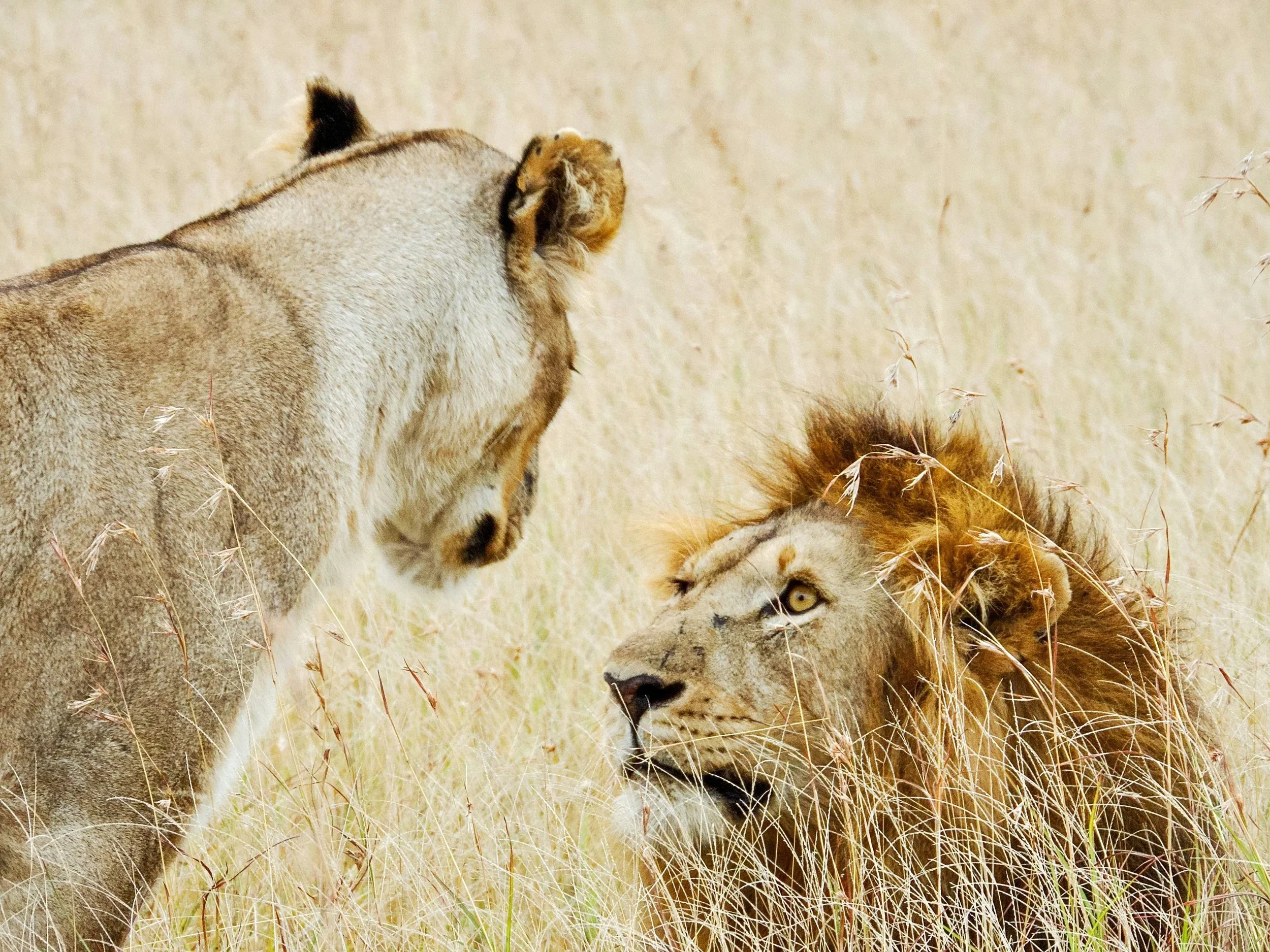
Watching a lion pride offers a fascinating glimpse into their complex social world, from grooming and playful cubs to hunting, communication, and territorial behavior.
Photo Credit to Crystal McLernon
A pride typically consists of related adult females, their cubs, and one or more adult males, while young males eventually leave their birth pride and may form coalitions with other males. The females are generally the long-term core of the pride, often remaining closely connected to mothers, sisters, and daughters. Lionesses frequently cooperate in hunting and raising cubs, and young lions may form groups where they play and learn essential survival skills together. Meanwhile, male coalitions help defend territory and access to the pride, sometimes challenging competing males.
A pride isn't always one large group, either. Individuals may split into smaller groups and reunite depending on food, cubs, territory, and other circumstances. One of the most fascinating parts of watching lions is seeing how much communication takes place when they appear to be doing very little. Lions may rub heads, groom one another, call, roar, play, or use body language to maintain relationships and communicate their intentions.
Cubs bring an entirely different energy to a pride. They tumble over one another, practice stalking and pouncing, and learn important skills through play while nearby adults protect and supervise them. Lionesses may also share responsibility for caring for young, creating fascinating family groups.
There are also more serious interactions. Pride members may compete over food, neighboring groups may defend their territories, and male coalitions may challenge rival males. Even a seemingly peaceful group can suddenly become animated when another pride or predator enters the area. This is where an experienced guide makes a real difference. Rather than simply pointing out a lion, your Moyo guide can help you understand who the individuals are, how they are related, and what their behavior may be telling you.
Ideal Bases for Lion Pride Viewing
Moyo Camp Warangi sits in the Seronera Valley in the Central Serengeti, one of the region's most productive areas for year-round wildlife and big cats. Because resident lions remain in the area throughout the year, guests can enjoy pride viewing outside of the Great Migration as well as during periods when migrating prey increases predator activity.
Moyo Camp Hembe provides access to the Central Serengeti and Western Corridor, where open plains, kopjes, woodlands, and seasonal waterways create diverse habitats for both lions and their prey. The changing distribution of wildebeest, zebra, and antelope throughout the seasons can influence where prides spend their time, making each game drive different.
Moyo Migration Camp Mara offers a Northern Serengeti perspective, where resident lions share the landscape with elephants, giraffes, zebra, wildebeest, and other wildlife. During migration season, large concentrations of wildebeest and zebra can bring additional prey into the region, creating opportunities to observe how lions respond to these changing conditions.
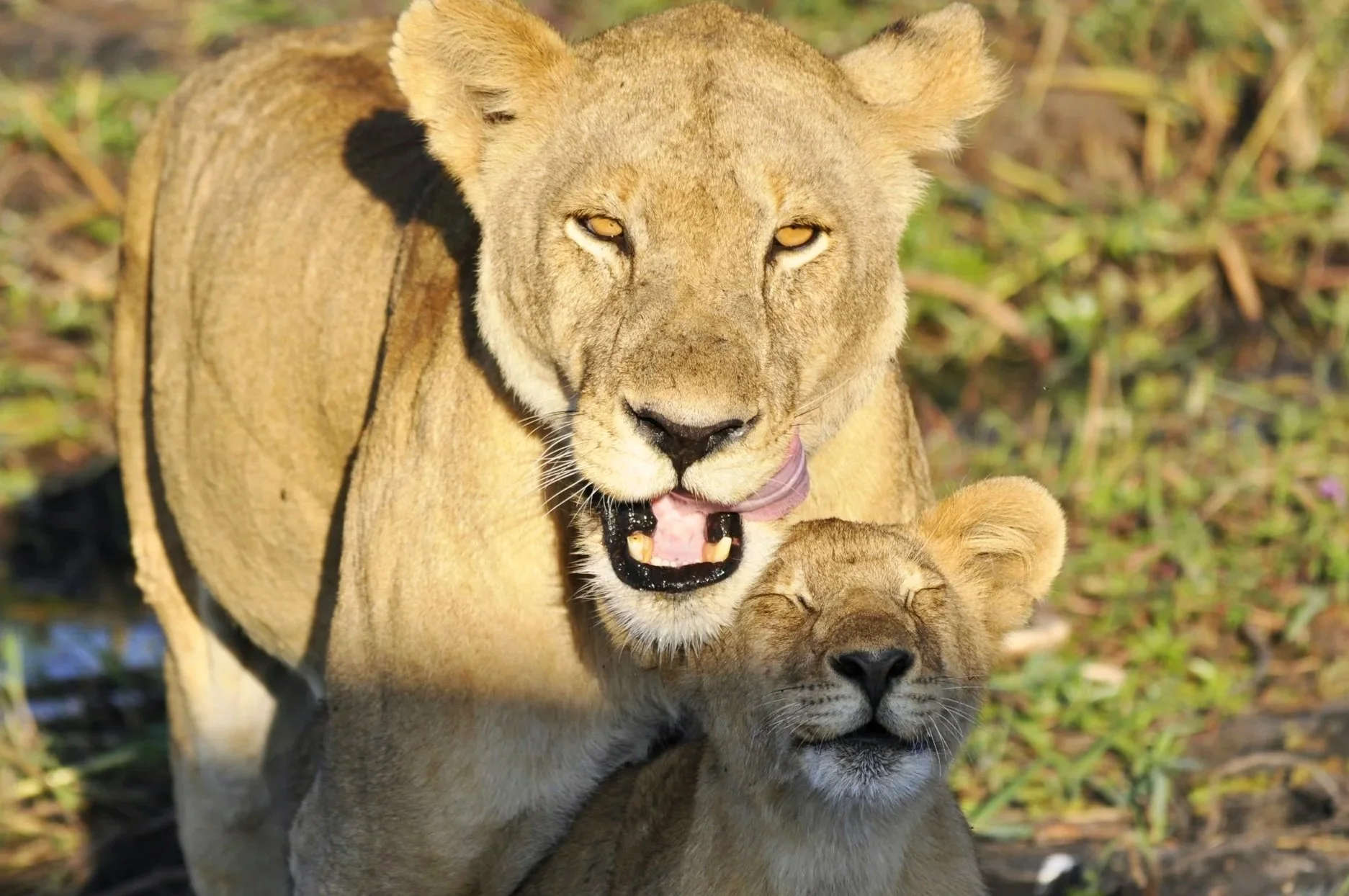
One of the biggest advantages of choosing a well-positioned safari camp is time. When you're already staying in a wildlife-rich area, you can spend more of your day observing animals and less time driving long distances simply to reach them.
Discover dynamic lion prides for yourself.