
About Serengeti National Park
“Luxury tents in the heart of the Serengeti! You can literally hear the heartbeat of this amazing wildlife park while you sleep, as lions, hyenas, and buffalo pass through in the night.
Warm and competent staff, led by Mary, an effective and efficient manager who clearly loves her staff and visitors. Great food, warm service, and clean and comfortable accommodation. Best sleep I had on my trip!”
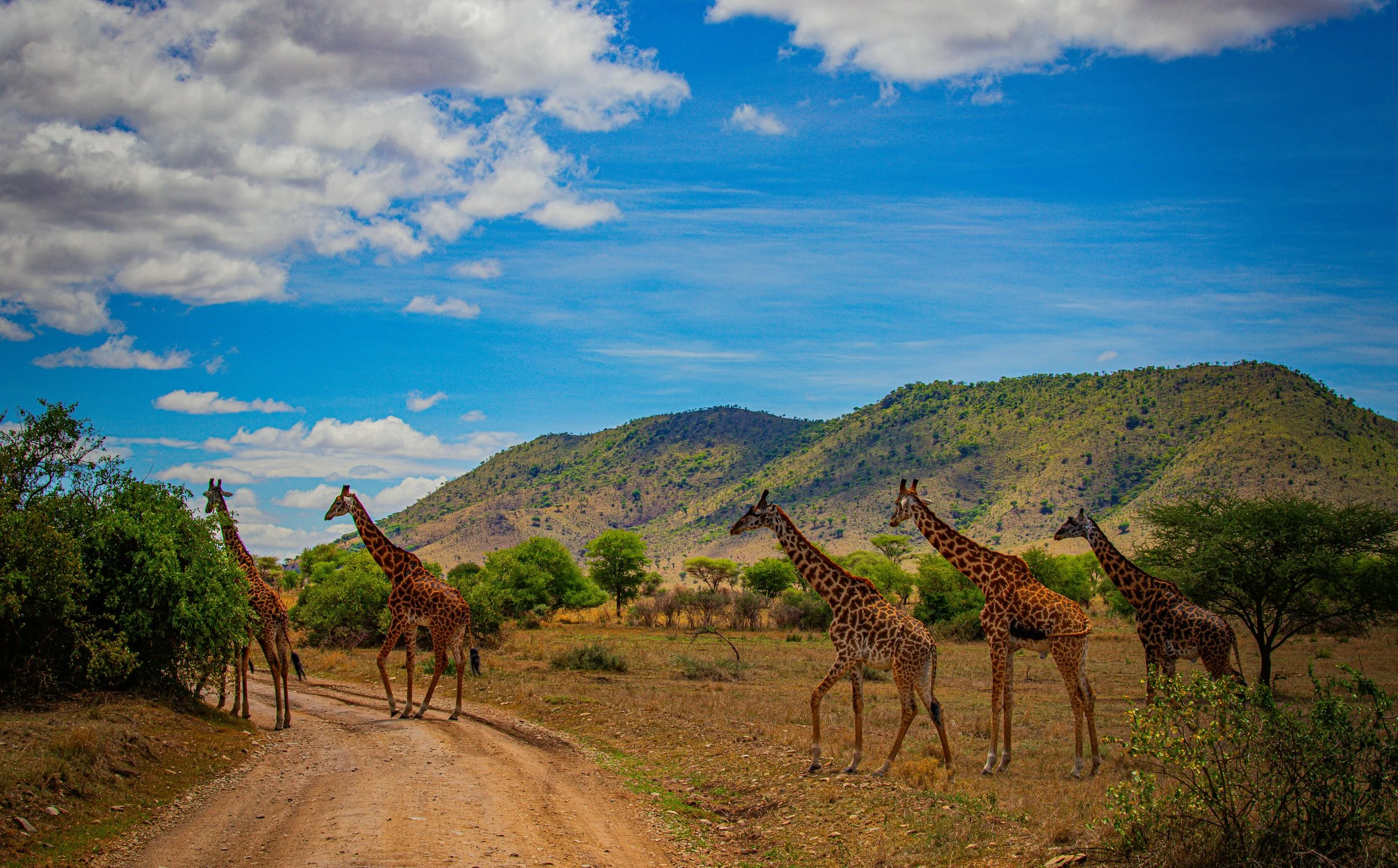
The name Serengeti comes from the Maasai word Siringet, meaning "the place where the land runs forever." Standing on the open plains, it's easy to understand why.
Because Moyo Tented Camp is located inside Serengeti National Park, a portion of the accommodation cost directly to the Tanzania National Parks Authority (TANAPA) to support park conservation.
Photo Credit to Eliott Chatauret
A Brief History of Serengeti National Park
Serengeti National Park was officially established in 1951, making it Tanzania's oldest national park. At the time, growing concerns over hunting and expanding human settlement threatened the area's wildlife populations. Conservationists believed the Serengeti's unique ecosystem (particularly the annual migration of millions of wildebeest, zebras, and gazelles), was unlike anything else on Earth and deserved permanent protection.
In 1959, the Ngorongoro Conservation Area was separated from the national park to allow the Maasai people to continue living alongside wildlife while preserving their traditional way of life. The Serengeti itself became dedicated primarily to wildlife conservation and scientific research.
Today, Serengeti National Park covers nearly 15,000 square kilometers (5,700 square miles) and is recognized as a UNESCO World Heritage Site. It protects one of the last intact ecosystems where large-scale animal migrations still occur much as they have for thousands of years. Visitors from around the world come not only to witness its extraordinary wildlife, but also to support the ongoing conservation efforts.
Park Rules Every Guest Should Know
The Serengeti remains one of the world's greatest wildlife sanctuaries because visitors help protect it. Following a few simple rules allows both people and wildlife to thrive.
Stay Inside Your Vehicle: Wild animals may appear calm, but they are completely wild and unpredictable. Remaining inside your safari vehicle keeps everyone safe while minimizing stress on the animals.
Never Feed Wildlife: Feeding animals changes their natural behavior and can threaten both their health and future survival.
Keep Noise to a Minimum: One of the greatest pleasures of safari is experiencing nature as it is. Speaking quietly allows everyone to enjoy wildlife encounters without disturbing the animals.
Leave No Trace: Everything you bring into the park should leave with you. Protecting the Serengeti means keeping it exactly as future generations deserve to experience it.
Follow Your Guide's Instructions: Experienced safari guides understand animal behavior, park regulations, and safe viewing distances. Their knowledge not only keeps guests safe but often leads to extraordinary wildlife sightings.
Your Visit Helps Protect the Serengeti
Many travelers are surprised to learn that responsible tourism plays a vital role in protecting Serengeti National Park. Park entrance fees help fund wildlife conservation, anti-poaching efforts, scientific research, road maintenance, ranger patrols, and habitat protection. Sustainable tourism also creates employment for local communities, providing economic incentives to preserve wildlife. When visitors choose accommodations that prioritize responsible tourism and support local employment, they become part of the conservation story themselves.
Staying Inside The Reserve is Best
Instead of spending valuable hours driving to and from park gates each day, guests wake up surrounded by nature. Early morning game drives begin immediately, often during the most active hours for wildlife. Evenings become magical as the sounds of distant lions, hyenas, and nocturnal wildlife surround you.
Thoughtfully positioned in prime wildlife areas, Moyo Tented Camp combines exceptional game viewing with warm Tanzanian hospitality, chef-prepared meals, spacious ensuite tents, and personalized service. Rather than simply visiting the Serengeti, guests become part of its daily rhythm, from sunrise game drives to evenings around the camp after unforgettable wildlife encounters.
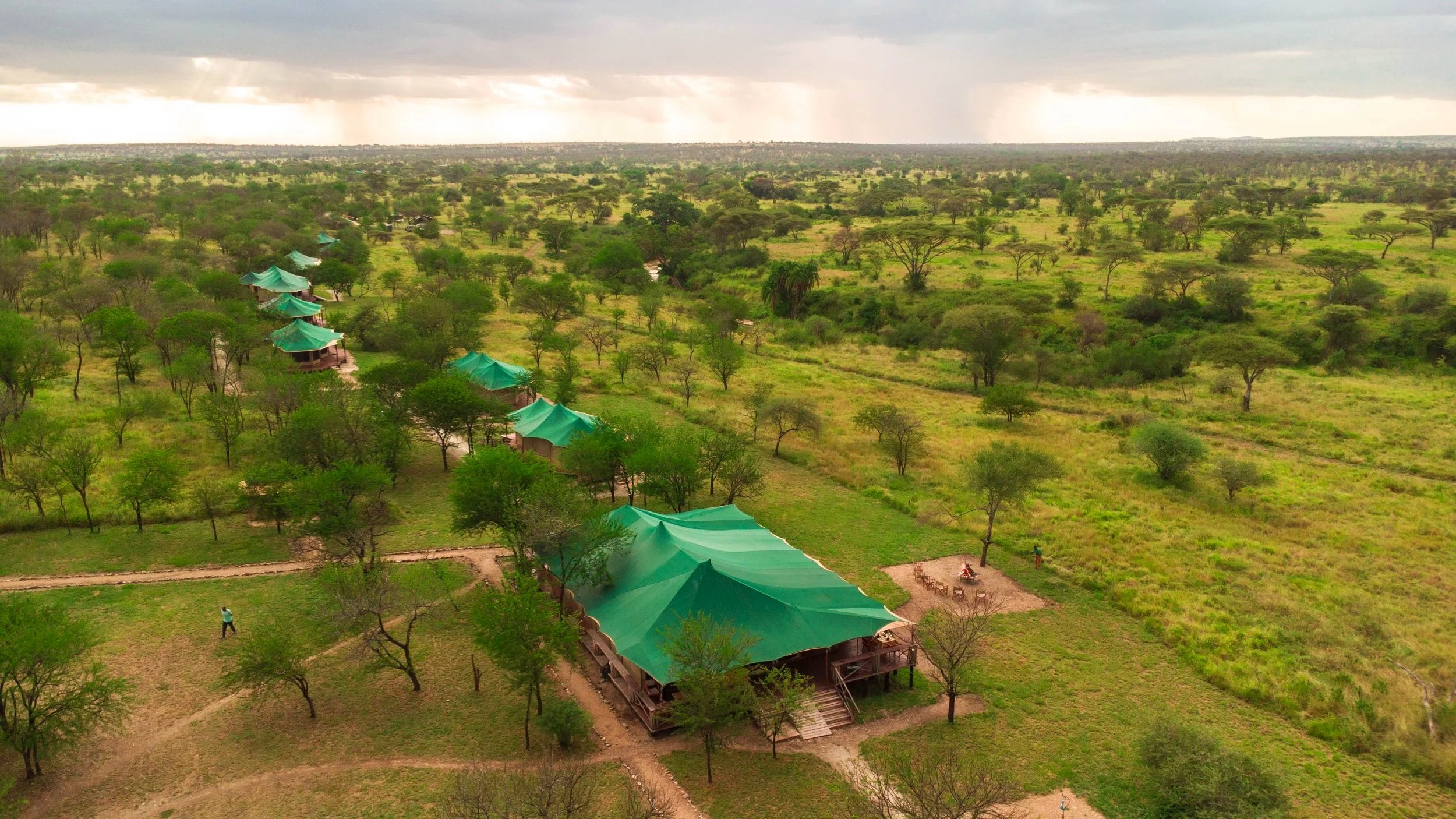
Whether it's your first African safari or your fifth, staying inside the park allows you to experience the Serengeti the way it was meant to be experienced: immersed in nature, surrounded by wildlife, and connected to one of the world's greatest wildernesses.
Stay with us inside Serengeti National Park.