
Encounter Wild Cheetahs
“A cheetah doesn’t need to roar to prove it’s a predator.”
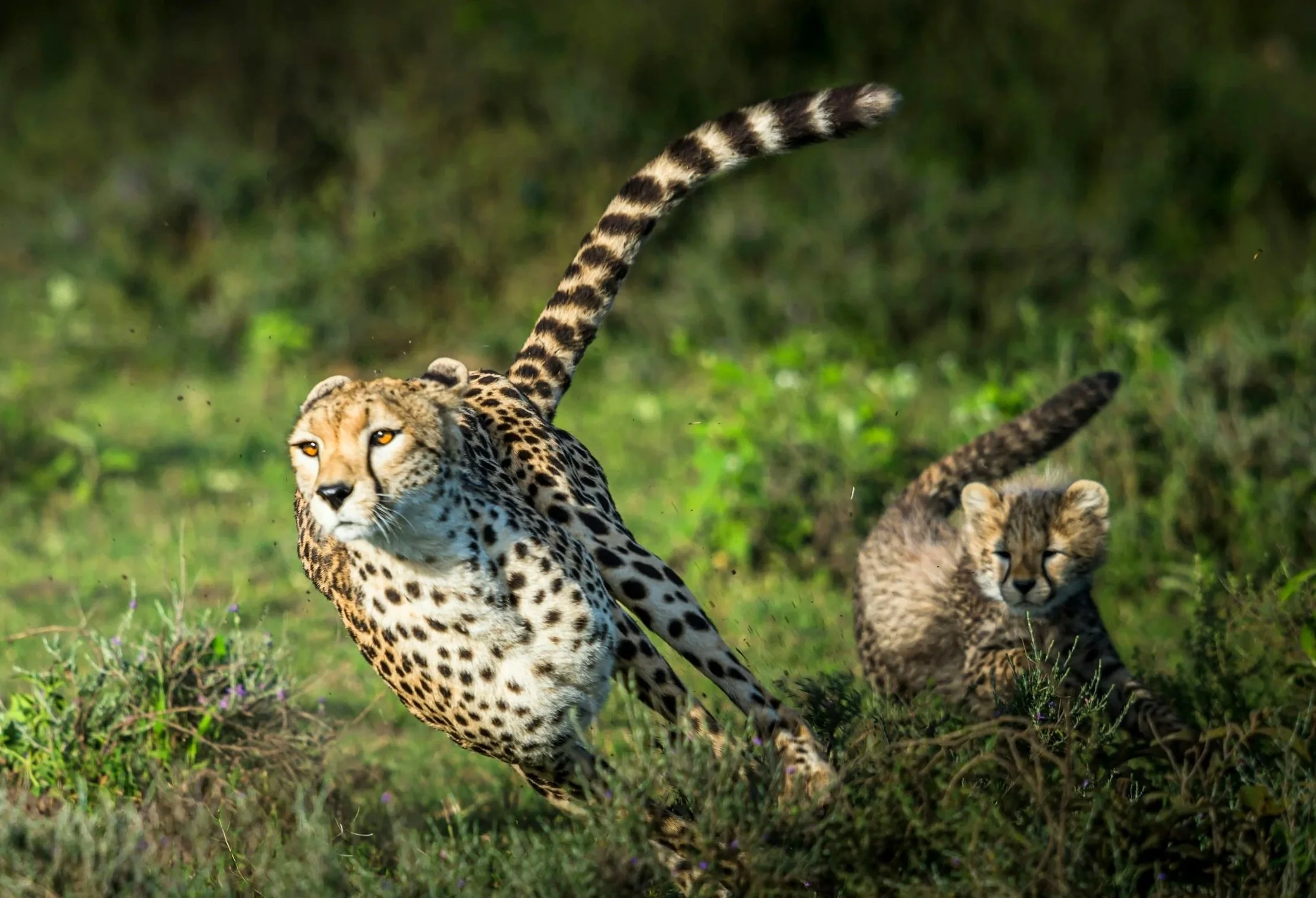
The Serengeti is one of the best places in Africa to see cheetahs in the wild. Built for speed, agility, and precision, these extraordinary cats are among the most thrilling predators to watch.
Here's everything you need to know about spotting cheetahs during your stay at Moyo Tented Camp.
Photo Credit to Sammy Wong
The Serengeti is the Ideal Cheetah Habitat
The Serengeti's wide-open plains provide ideal habitat for cheetahs. These specialized predators depend on open landscapes where they can use their remarkable speed to chase prey. They are the fastest land animals on Earth, capable of reaching extraordinary speeds over short distances. Watching a cheetah carefully scan the horizon, lower its body, and suddenly explode into motion is one of the most thrilling experiences in the Serengeti.
Their diet includes gazelles, impalas, young wildebeest, and other small to medium-sized antelope. During the Great Migration, the arrival of enormous herds creates additional opportunities for cheetahs, while the Serengeti's resident prey populations support them year-round.
Cheetahs also have:
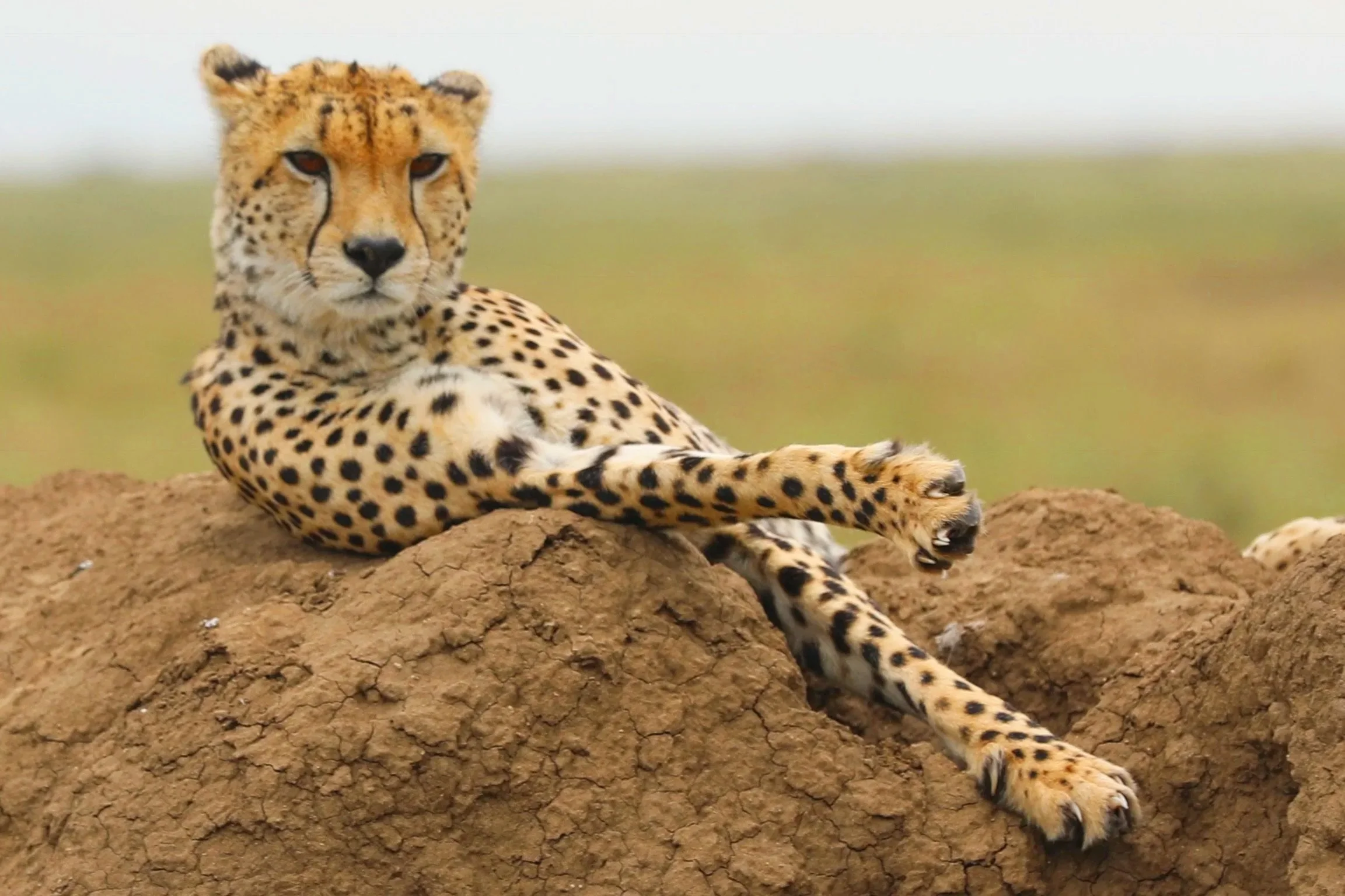
Distinctive black “tear marks” that may help reduce glare from the sun
Long legs and a lightweight body built for acceleration
A long tail that acts as a counterbalance during high-speed chases
Semi-retractable claws that provide traction while running
Exceptional eyesight for spotting prey across open plains
Cheetahs cannot roar, instead they communicate through chirps, purrs, growls, hisses, and distinctive bird-like calls
Cheetah Cubs, a Moyo Guest Favorite
Cheetah cubs are born with a distinctive silver-gray mantle of long fluffy hair running down their backs. During their first months of life, cubs remain extremely vulnerable. Their mother must leave them hidden while she hunts, and only a small percentage survive to adulthood. As they grow, cubs gradually begin following their mother and learning the skills they will need to survive.
Cubs can often be seen chasing and wrestling with their siblings. Their playful behavior is adorable, but it is also essential preparation for adulthood. Every game of chase and every carefully practiced pounce helps develop the skills they will eventually need as hunters.
Tips for Finding Cheetahs on Safari
Although no wildlife sighting can ever be guaranteed, a few strategies can improve your chances of finding one of the Serengeti's most elusive predators.
Search the Open Plains: Cheetahs prefer areas where they can see potential prey and use their speed. Scan open grasslands, particularly areas with gazelles and other small antelope.
Go Early: The cooler hours of the morning are often among the best times to search for active cheetahs. Early game drives also provide beautiful light and cooler temperatures.
Look for Raised Positions: Cheetahs often use termite mounds, small rises, or other elevated areas as lookout points. A cheetah standing on a mound may be easier to spot than one moving through the grass.
Watch the Prey: Sometimes the best way to find a cheetah is to watch the animals it hunts. Gazelles may suddenly become alert, stare in one direction, or begin alarm calling when a predator is nearby.
Be Patient: Cheetahs are masters of camouflage. A patient guide may spot a shape in the grass that looks like nothing more than a rock or shadow until it suddenly moves.
Trust Your Guide: Moyo's experienced local guides understand the Serengeti's wildlife, habitats, and seasonal movements. Their knowledge of recent sightings and animal behavior can make all the difference when searching for an elusive cheetah.
Choosing to stay inside Serengeti National Park allows guests to spend more time experiencing wildlife and less time traveling long distances. With experienced local guides and comfortable camps positioned in prime cheetah locations, Moyo Tented Camp is perfect for a cheetah Safari.
Come See Wild Cheetahs at Moyo Tented Camp