
Herping is On The Rise
“Reptiles and amphibians are sometimes thought of as primitive, dull and dimwitted. In fact, of course, they can be lethally fast, spectacularly beautiful, surprisingly affectionate and very sophisticated.”
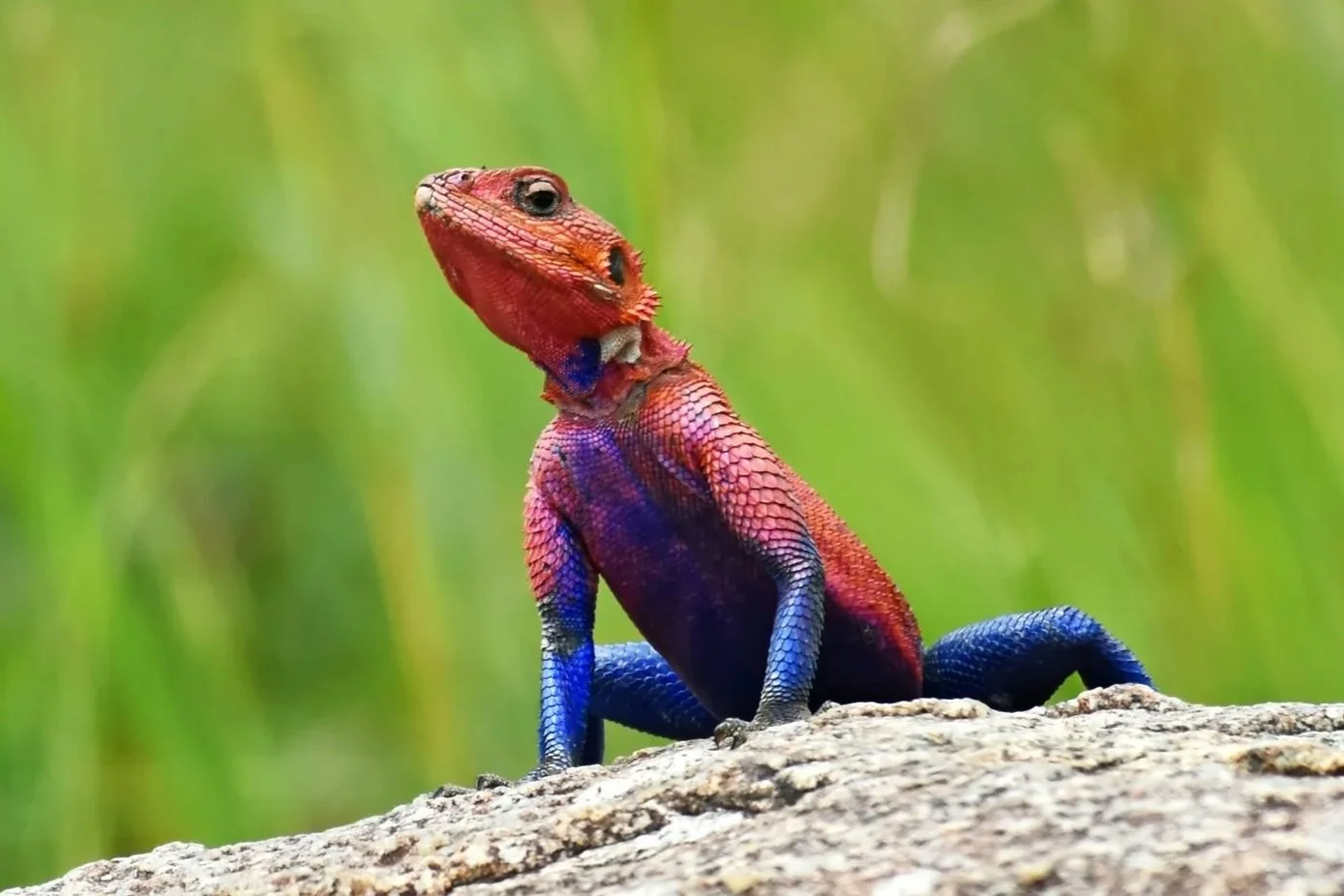
Herping, short for herpetology field observation, is the hobby of searching for and observing reptiles and amphibians in their natural habitats, much like birdwatching is for birds.
The Seronera Valley, home to Moyo Tented Camp, is particularly rewarding for herpers thanks to its year-round water sources, river systems, rocky kopjes, and diverse habitats that support a wide variety of species.
(Photo Credit to Catherine Merlin)
Amazing Reptiles and Amphibians of the Serengeti
Nile Crocodile One of Africa's largest reptiles, Nile crocodiles are legendary predators capable of taking down wildebeest, zebra, and even buffalo. They can often be seen basking along rivers and pools throughout the Serengeti.
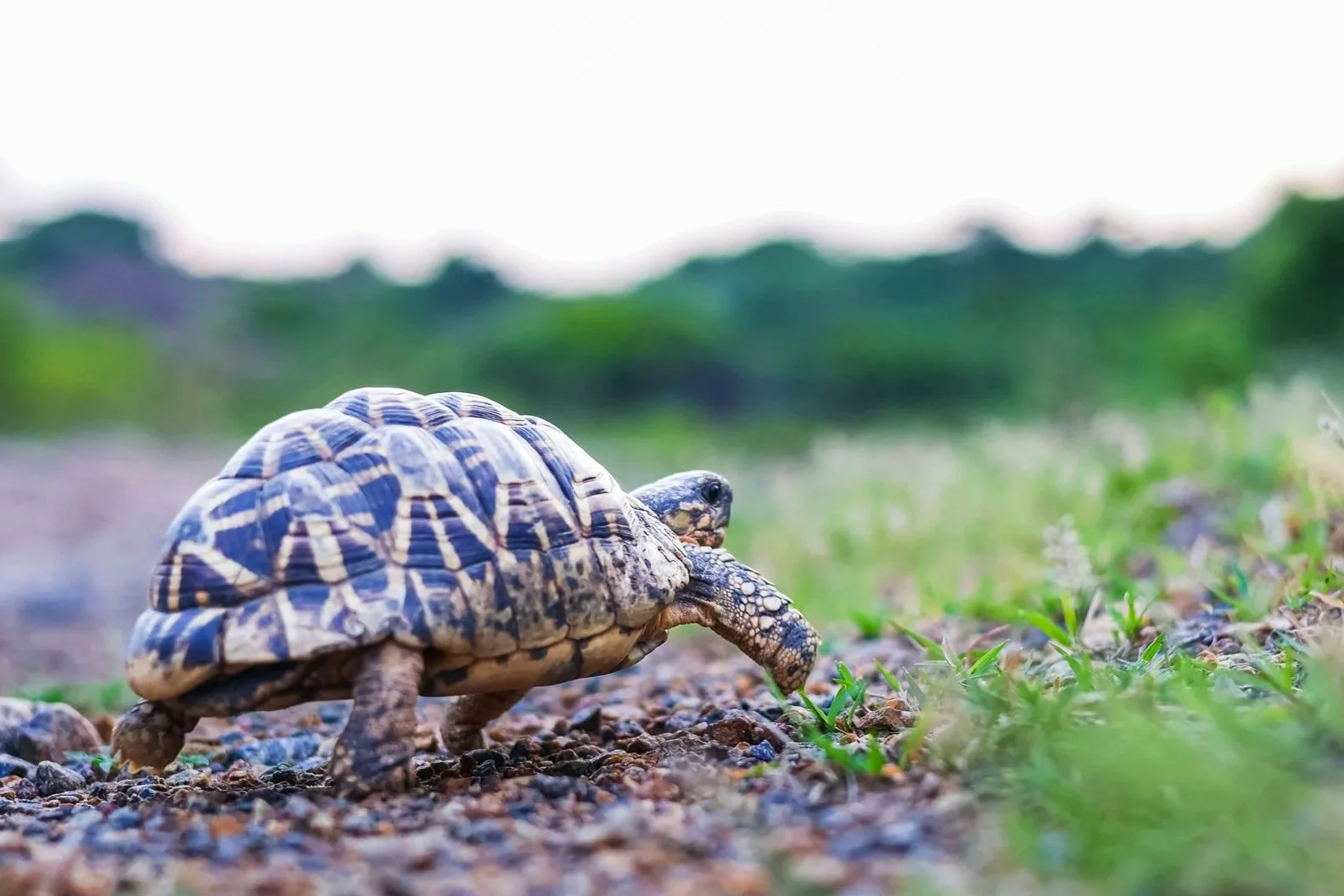
Leopard Tortoise Named for its beautifully patterned shell, the leopard tortoise is one of Africa's largest tortoise species and a favorite among wildlife photographers.
Red-headed Rock Agama Often called the "supermodel” or “superman” lizard of Africa, breeding males display vivid blue bodies and bright red heads that seem almost too colorful to be real.
Savannah Monitor This intelligent and powerful lizard can grow over three feet long and is an active hunter of insects, rodents, eggs, and small reptiles.
African Rock Python Africa's largest snake is a dream sighting for many herpers. Although rarely encountered, these impressive constrictors inhabit riverine forests and dense vegetation.
African Egg-eating Snake One of Africa's most specialized reptiles, this harmless snake feeds exclusively on bird eggs using unique internal structures that crack the shell after swallowing.
Twig Snake Perfectly camouflaged among branches, the twig snake's slender body and pointed snout make it one of the Serengeti's most difficult reptiles to spot.
Nile Monitor Frequently found near water, Nile monitors are excellent swimmers, climbers, and hunters. Their size and prehistoric appearance make them a memorable sight.
Flap-necked Chameleon This striking chameleon is known for the expandable flaps along its neck and its remarkable ability to blend into surrounding vegetation.
Speke's Hinged Tortoise Unlike most tortoises, this species has a hinged shell that provides extra protection by partially closing over its rear limbs.
African Bullfrog Among Africa's largest frogs, this impressive amphibian is famous for its deep calls, large size, bold attitude, and voracious appetite.
Foam-nest Tree Frog One of the Serengeti's most remarkable amphibians, this frog creates foam nests above water, allowing tadpoles to drop directly into pools after hatching.
Jackson's Chameleon With three distinctive facial horns and a dinosaur-like appearance, Jackson's chameleon is one of East Africa's most iconic reptiles.
6 Essential Tips for Herping in the Serengeti
1. Plan Ahead and Request a Specialized Guide
Many safari guides focus primarily on mammals and birds. If reptiles and amphibians are a priority, let us know in advance so arrangements can be made with a guide who appreciates and actively searches for these often-overlooked species.
2. Travel with Other Herpers
Herping is often rewarding in a small group. More eyes scanning the landscape means a greater chance of spotting well-camouflaged reptiles, and sharing discoveries with fellow enthusiasts makes the experience even more enjoyable.
3. Bring a Great Camera and Macro Lens
Many of the Serengeti's most fascinating reptiles are masters of camouflage. A quality camera with a telephoto or macro lens can help capture the intricate scales, patterns, and colors that are easy to miss with the naked eye.
4. Spend Time Near Water and River Corridors
Many of the Serengeti's most sought-after species are closely associated with rivers, wetlands, and dense vegetation. Nile crocodiles, Nile monitors, African rock pythons, foam-nest tree frogs, and numerous other species are most commonly encountered near water.
Moyo Tented Camp's location in the Seronera Valley places guests close to permanent river systems and lush riverine habitats that attract a remarkable diversity of reptiles and amphibians throughout the year.
5. Consider a Night Excursion
Many reptiles and amphibians become active after sunset. Guided night activities (only where permitted, and only with a licensed guide) can reveal nocturnal species rarely seen during daytime game drives. There are many regulations in Tanzania about night drives (for the protection of both people and animals), so these need to be arranged with our team in advance.
6. Take a Walking Safari
While game drives cover more ground, walking safaris allow you to slow down and notice the smaller details that many visitors miss. Tracks, shed skins, burrows, frogs, lizards basking on rocks, tortoises, and chameleons are often easier to spot on foot than from a vehicle.
Moyo Tented Camp offers guided walking safaris at its Warangi and Hembe camps in the Seronera region, accompanied by expert guides and armed rangers. For herpers, this can be one of the best ways to explore rocky kopjes, river edges, and dense vegetation for closer encounters with the Serengeti's reptiles and amphibians.
After a day of searching for the Serengeti's most fascinating cold-blooded residents, return to spacious safari tents with private bathrooms, hot showers, comfortable beds, reliable electricity, and WiFi. Enjoy chef-prepared meals, sundowners overlooking the plains, and evenings spent listening to the sounds of the African wilderness.
For herpers seeking both exceptional wildlife encounters and modern comforts, Moyo Tented Camp provides the perfect base for discovering a side of the Serengeti that many visitors never experience.
(Photo Credit to Gaf Clickz)
Reach out to our experienced team for your unique animal wishlist: