
Best Camp for Migratory Birdwatching?
“Bird watching is a lifelong ticket to the theater of nature.”
If migratory birds are a major reason for your safari, November through March is an especially useful period to consider, when many seasonal visitors are present in the Serengeti.
Here’s more details about migratory birdwatching from each camp and the migratory bird highlights list.
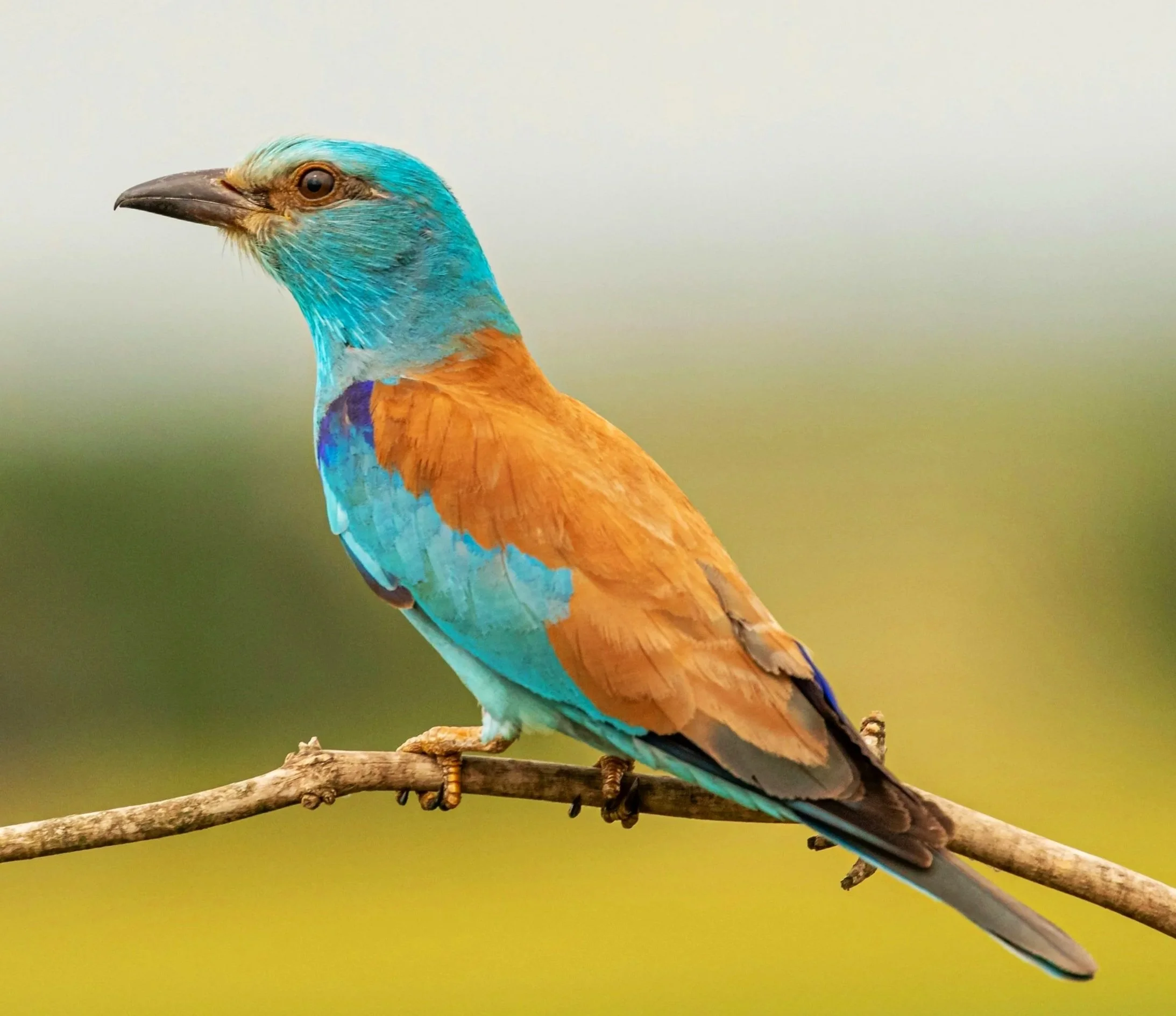
European Roller Photo Credit to Zdeněk Macháček
Which Moyo Camp Is Best for Migratory Birdwatching?
For guests travelling to the Serengeti specifically for migratory birds, Moyo Camp Warangi is particularly well suited to a dedicated birding safari. Located in the Seronera Valley and facing the permanent Warangi River, the camp's combination of riverine vegetation, mature trees, reeds, open clearings, and dependable water creates habitat for waterbirds, woodland species, kingfishers, raptors, bee-eaters, and other birdlife. Moyo's own wildlife observations identify the Warangi River as a particularly diverse bird habitat and specifically note its appeal to photographers and dedicated birdwatchers.
The location also provides a useful advantage for photographers because different habitats can be explored within the same safari area, increasing the variety of backgrounds, perches, light, and bird behaviour available to photograph. For guests who want to combine migratory bird photography with classic Serengeti wildlife, Warangi's location in the wildlife-rich Seronera Valley offers an opportunity to pursue both.
Moyo Camp Hembe is another appealing choice for photographers, particularly those who value quieter surroundings, expansive views, sunrise and sunset photography, and access to the Central and Western Serengeti. Its strategic position between these areas can make it useful for guests who want to combine bird photography with a broader Serengeti itinerary.
For guests specifically interested in the Great Migration and migratory birds as part of a broader northern Serengeti safari, Moyo Migration Camp Mara provides a different perspective. Its permanent Northern Serengeti location offers year-round access to the region, including its riverine habitats and birdwatching opportunities around the Mara River and surrounding landscapes.
Migratory Birds of Serengeti National Park
Lesser Spotted Eagle
The Lesser Spotted Eagle breeds across parts of Europe and Asia before migrating south to spend the northern winter in Africa. In the Serengeti, it can be seen soaring over open country and woodland edges, sometimes alongside other raptors. Its broad wings and habit of circling on rising air make it a particularly rewarding bird for photographers with a long lens.
Steppe Eagle
The Steppe Eagle is a powerful migratory raptor associated with the open landscapes of the Serengeti during the northern winter. It can be seen soaring high above the plains, where its large size and broad wings make it possible to distinguish from many smaller birds of prey. Patient photographers may have opportunities to capture it gliding against the vast Serengeti sky.
Imperial Eagle
The Imperial Eagle is an impressive Palearctic migrant recorded in the Serengeti, where it spends part of the year away from its breeding grounds. It is a large, dark eagle that can be difficult to identify when soaring at considerable height, making binoculars or a spotting scope particularly useful. For birders, encountering one is a memorable addition to a safari already filled with Africa's resident raptors.
Montagu's Harrier
Montagu's Harrier is a long-distance migrant that travels between Europe and Africa and is recorded throughout the Serengeti. It has a graceful, buoyant flight and often hunts low over grasslands rather than soaring high like an eagle. Its habit of flying close to the ground can create excellent photographic opportunities when conditions and light cooperate.
Pallid Harrier
The Pallid Harrier breeds across parts of Eurasia and migrates south into Africa, with the Serengeti among the places where it can be encountered. It is a relatively slender harrier that frequently quarters low over open grasslands while searching for prey. Because it can be easily overlooked among the huge expanses of the plains, having an experienced guide who knows where to look can make a significant difference.
European Honey-buzzard
The European Honey-buzzard is another Palearctic migrant recorded in the Serengeti, although it is less frequently encountered than some of the area's more familiar seasonal visitors. It travels remarkable distances between Europe and Africa and feeds largely on insects and their larvae, particularly wasps and bees. Seeing one overhead is a special sighting for serious birders because it is not a bird most safari visitors expect to encounter.
Lesser Kestrel
The Lesser Kestrel is a small falcon that migrates between Eurasia and Africa and is recorded across the Serengeti. It is agile in flight and may be seen hunting insects over open grassland, sometimes appearing almost to hover before dropping toward its prey. Its smaller size means binoculars are particularly helpful for distinguishing it from other falcons.
Amur Falcon
The Amur Falcon undertakes one of the world's great long-distance migrations, travelling from breeding grounds in eastern Asia toward southern and eastern Africa. The species is recorded in the Serengeti and can appear over open country while hunting flying insects. For photographers, a falcon in fast flight presents a challenging but rewarding subject, particularly when it can be isolated against an open sky.
Red-footed Falcon
The Red-footed Falcon is a small, elegant falcon associated with Eurasian breeding grounds and African wintering areas. It is recorded as a seasonal visitor in the Serengeti and is especially interesting for birders who enjoy watching aerial hunters. Its dark plumage and reddish legs can make a close or well-lit sighting particularly striking.
Eurasian Hobby
The Eurasian Hobby is a sleek, fast-flying falcon that migrates from Eurasia into Africa. In the Serengeti it may be encountered hunting smaller birds or insects in open areas, often moving quickly through the sky. Its speed makes it a difficult photographic subject, but watching one hunt can be one of the most exciting bird encounters of a game drive.
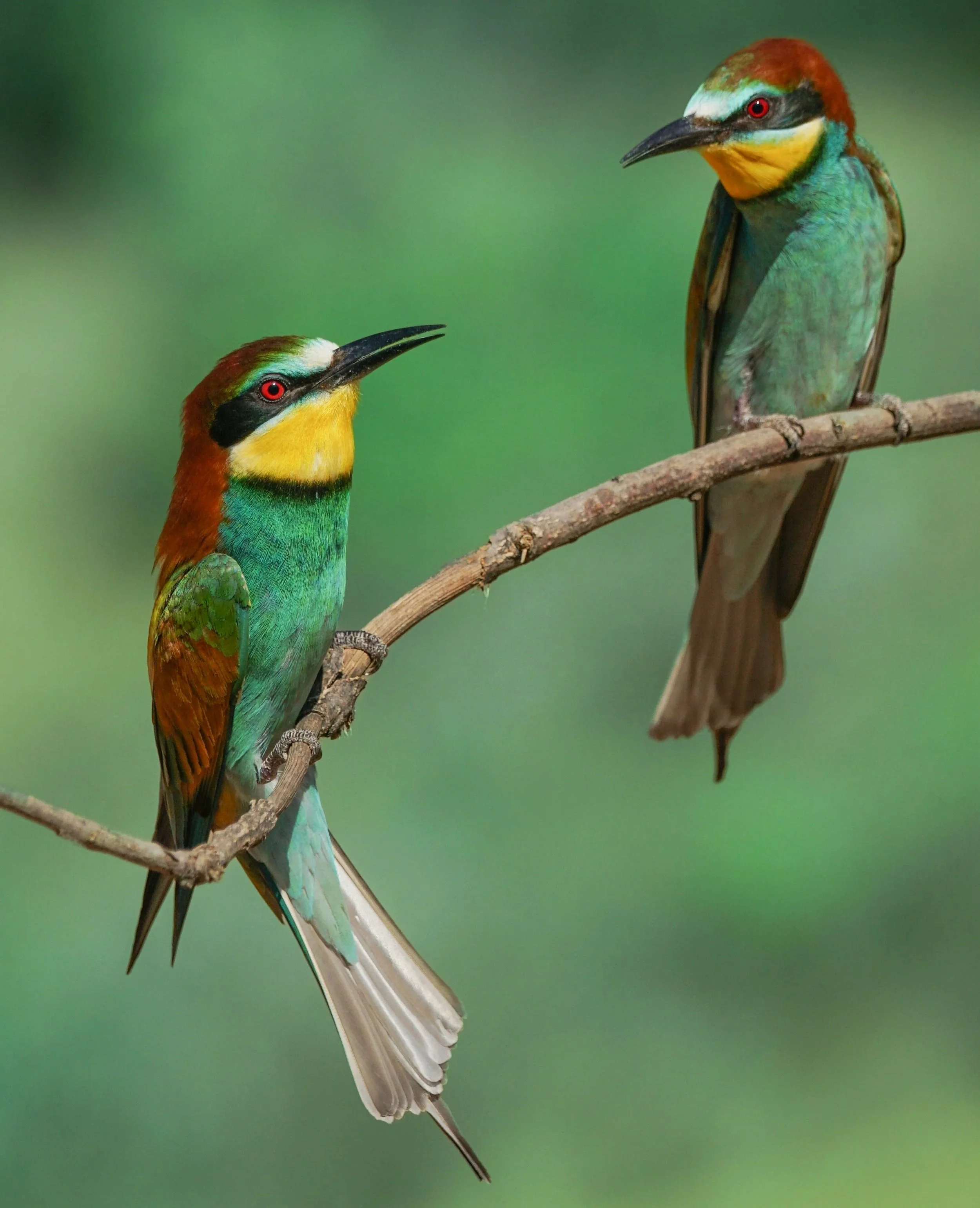
European Bee-eater
The European Bee-eater is one of the Serengeti's most spectacular seasonal visitors, arriving from Europe and parts of western Asia. Its vivid combination of yellow, blue, green, chestnut, and black makes it one of the easiest migrants to become obsessed with photographing. Look for them perched on exposed branches before they launch into the air to catch insects.
Blue-cheeked Bee-eater
The Blue-cheeked Bee-eater is another seasonal bee-eater recorded in the Serengeti and is associated with wet-season movements across Africa and Eurasia. Like other bee-eaters, it spends much of its time catching insects in flight and returning to a favourite perch between hunts. Its brilliant green plumage and blue facial colouring make it a beautiful subject when the light is right.
European Roller
The European Roller is a striking Palearctic migrant that travels south into Africa after breeding in Europe and western Asia. It is famous for its vivid blue colouring and acrobatic flight, although it often spends time sitting quietly on an exposed branch watching for prey. In the Serengeti, open woodland and grassland edges can provide good places to search for this colourful visitor.
Eurasian Golden Oriole
The Eurasian Golden Oriole is a bright yellow-and-black migrant that spends the northern winter in Africa. It is recorded in the Serengeti, although its preference for trees and foliage means it can be considerably harder to spot than its vivid colours might suggest. Birdwatchers should listen as well as look, particularly around wooded and riverine habitats.
Common Cuckoo
The Common Cuckoo is a familiar migrant from Europe and Asia that travels south to Africa for the northern winter. It is particularly fascinating because cuckoos are famous for their brood-parasitic breeding strategy, laying their eggs in the nests of other birds. In the Serengeti, woodland and riverine vegetation can provide useful habitat for this elusive seasonal visitor.
Red-backed Shrike
The Red-backed Shrike breeds across much of Europe and western Asia before migrating to Africa. It is a small but striking predator of insects and other small animals, often using an exposed perch to survey its surroundings. Its habit of sitting prominently on branches or bushes can make it an excellent photographic subject when a guide spots one nearby.
Lesser Grey Shrike
The Lesser Grey Shrike is another Palearctic migrant that can spend the northern winter in Africa. Like other shrikes, it hunts from perches and may impale prey on thorns or other sharp objects, creating a fascinating glimpse into the behaviour of this small predator. It is recorded across the Serengeti and can reward careful observation in open habitats.
Isabelline Shrike
The Isabelline Shrike is a seasonal visitor to the Serengeti and another member of the shrike family known for hunting from exposed perches. Its subdued sandy colouring provides excellent camouflage against the dry-season landscape. Look along grassland edges and scattered bushes for a bird sitting motionless before suddenly dropping toward prey.
Wood Warbler
The Wood Warbler is a small Palearctic migrant that travels to Africa for the northern winter. It can be surprisingly difficult to spot because of its size and its preference for foliage, making it a bird for patient observers rather than casual scanning. Riverine vegetation and wooded areas are particularly worth checking when searching for small migrant warblers.
Willow Warbler
The Willow Warbler is one of the familiar small insect-eating migrants that travels from northern breeding grounds to Africa. Its delicate appearance and subdued colouring make it easy to overlook among leaves and branches. A quiet approach and careful observation around woodland and riverine vegetation can reveal these tiny seasonal visitors.
Eurasian Blackcap
The Eurasian Blackcap is a small songbird that breeds in Europe and migrates south for the northern winter, with the Serengeti among its recorded African destinations. Males have a distinctive black cap while females have a warm brown one, making the species relatively easy to identify when seen clearly. It is another example of why patient birdwatching can reveal an entirely different Serengeti from the one seen on a typical game drive.
Garden Warbler
The Garden Warbler is a subtly coloured Palearctic migrant that winters in Africa. Unlike some of the Serengeti's brilliantly coloured birds, it relies on delicate markings and behaviour rather than bold plumage to catch the eye. It is recorded in the Serengeti's wooded habitats and can be a satisfying find for birders who enjoy the challenge of locating small migrants.
Sedge Warbler
The Sedge Warbler is a small migrant associated with wet and vegetated habitats during its time in Africa. It is recorded in the Serengeti and may be found around suitable areas of reeds, grasses, and other dense vegetation. Because it can remain hidden in cover, birdwatchers who slow down near water and listen carefully may have better luck finding one.
Marsh Warbler
The Marsh Warbler is a Palearctic migrant that reaches Africa after breeding in Europe and nearby regions. It is recorded in the Serengeti but is not necessarily an easy bird to find, particularly because warblers often disappear into dense vegetation. Areas with suitable wetland or tall vegetation are worth extra attention during the migratory season.
White Stork
The White Stork is one of the most recognisable European migrants to reach Africa, with some individuals travelling thousands of kilometres between their breeding and wintering grounds. In the Serengeti, they may gather in open grasslands and forage for insects, small vertebrates, and other prey. Their large size and tendency to occur in groups can make them particularly impressive subjects for landscape and wildlife photography.
Black Stork
The Black Stork is a more elusive relative of the White Stork and a seasonal visitor to the Serengeti. Unlike its white-and-black counterpart, it often prefers quieter wetlands, rivers, and wooded areas, where its dark plumage can make it surprisingly difficult to see. Birders should pay particular attention to water-rich habitats when searching for this elegant migrant.
Common Sandpiper
The Common Sandpiper is a widespread migratory shorebird that travels between breeding grounds farther north and wintering areas in Africa. It is recorded throughout the Serengeti and can be found around rivers, pools, and other suitable water sources. Its distinctive habit of walking with a characteristic bobbing motion can help birdwatchers identify it along the water's edge.
Wood Sandpiper
The Wood Sandpiper is a long-distance migrant that uses African wetlands during the northern winter. It is recorded in the Serengeti and may appear around shallow water, muddy edges, seasonal pools, and other wet habitats where it searches for small invertebrates. Its combination of delicate markings and relatively small size makes it an especially rewarding species for photographers who enjoy close-detail bird images.
Common Greenshank
The Common Greenshank is a tall, elegant wader that migrates into Africa from northern breeding grounds. In the Serengeti, it can be found around suitable wetlands and watercourses, probing the shallows for aquatic prey. The bird's long legs, slightly upturned bill, and clean grey-and-white plumage make it relatively distinctive when viewed through binoculars.
Curlew Sandpiper
The Curlew Sandpiper is a long-distance migrant that travels from breeding grounds in the Arctic region to wintering areas much farther south. In the Serengeti, it can be encountered around suitable wetland habitat and is one of the smaller shorebirds that rewards careful scanning. Its presence demonstrates just how far the Serengeti's seasonal bird visitors have travelled to reach these feeding grounds.
Little Stint
The Little Stint is a tiny but remarkably long-distance migrant that breeds in the high Arctic and spends the northern winter in Africa. It may gather around shallow water and muddy margins while searching for small invertebrates. Because of its size, it is best appreciated with binoculars or a spotting scope, particularly when mixed with other shorebirds.
Ruff
The Ruff is a highly migratory shorebird recorded in the Serengeti, where it can occur around suitable wetland habitats. It is famous for the spectacular breeding plumage and elaborate courtship displays males develop on their northern breeding grounds, although wintering birds in Africa are generally much less ornate. Finding one among a group of waders can be a particularly satisfying tick for a dedicated birdwatcher.
Spotted Flycatcher
The Spotted Flycatcher breeds across Europe and parts of Asia before migrating to Africa. It hunts insects from exposed perches, repeatedly launching into the air before returning to a favoured branch, making its behaviour easier to spot than its understated plumage. In the Serengeti, it is recorded across a variety of habitats and can be a rewarding subject for photographers who enjoy action shots.
Whinchat
The Whinchat is a small migratory songbird that travels from Europe and northern Asia to Africa. It favours open country and often perches on grass stems, bushes, or other elevated points from which it can search for insects. Its preference for open landscapes makes it particularly well suited to a Serengeti game drive, where a sharp-eyed guide may spot one before it catches the guest's attention.
Northern Wheatear
The Northern Wheatear is a remarkable long-distance migrant that travels between northern breeding areas and African wintering grounds. It is a ground-feeding bird often associated with open landscapes, where its contrasting plumage can stand out against the grass. The Serengeti's enormous open plains provide the kind of habitat where patient observers can encounter this seasonal traveller.
Rufous-tailed Rock-Thrush
The Rufous-tailed Rock-Thrush is a striking migrant associated with rocky and open habitats during its time in Africa. Its rich colouring and upright posture can make it an appealing photographic subject when it pauses on an exposed rock or branch. In the Serengeti, it is recorded across several areas of the park and is another seasonal visitor worth adding to a birding checklist.
Common Nightingale
The Common Nightingale is famous throughout Europe for its powerful and beautiful song, but this small brown bird spends the northern winter in Africa. Its understated appearance means that it is much easier to hear than to see, making a sighting particularly rewarding. Birders should listen carefully around areas of thicker vegetation rather than relying only on scanning the open plains.
Black Cuckooshrike
The Black Cuckooshrike is an intra-African migrant recorded in the Serengeti during its seasonal movements. It is a relatively understated bird compared with the area's brightly coloured rollers and bee-eaters, so it can require careful observation to locate. Its presence is a reminder that the Serengeti's bird migration story extends well beyond the famous European visitors.
White-throated Bee-eater
The White-throated Bee-eater is a seasonal African migrant that is recorded in the Serengeti. Like other bee-eaters, it feeds largely on insects caught in flight and frequently returns to an exposed perch between feeding attempts. Its bright colours and aerial hunting behaviour make it particularly appealing to wildlife photographers.
After a delightful day of birdwatching and wildlife photography, come enjoy all the comforts of our luxury tented camp, where a private hot shower, fresh hot meal, clean laundry, and quality bed await you.
European Bee-Eater Photo Credit to Houmame Khelili
Let’s plan the birdwatching trip of a lifetime.