
“The Serengeti is one of the last great wildlife sanctuaries left on Earth.”
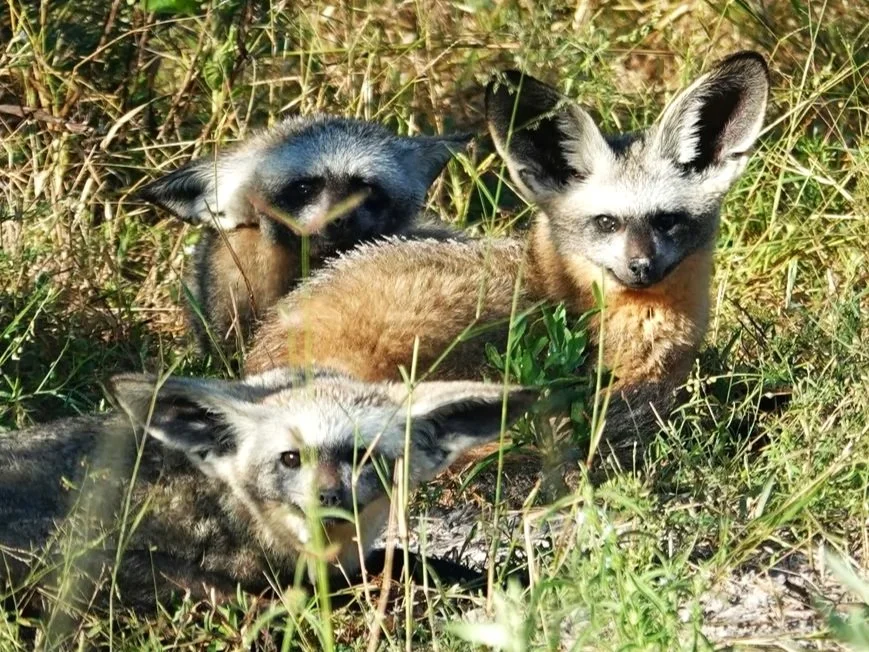
Bat-eared fox sightings are never guaranteed, but with an experienced guide, patience, and some good luck, you may be lucky enough to witness these incredible unique creatures.
Photo Credit to James Mulhall
Amazing Facts About Bat-Eared Foxes
Bat-eared foxes are named after their remarkably large ears, which can measure up to 13 centimeters long. They help the foxes detect insects moving beneath the soil, allowing them to locate one of their favorite foods: termites. In fact, termites can make up the majority of their diet, making bat-eared foxes unusual among African predators.
Unlike many other members of the canine family, bat-eared foxes have more teeth than most mammals, with up to 50 small, specialized teeth. These help them chew insects efficiently. They also have excellent hearing and can use their ears to help regulate body temperature in the African heat.
Bat-eared foxes are generally monogamous, often living in pairs and raising their young together. While one parent may forage for food, the other can stay behind to protect the pups. They are particularly active during cooler parts of the day and often forage at night, although daytime sightings are possible.
Tips for Spotting Bat-Eared Foxes
Bat-eared foxes can be difficult to find because they are relatively small, well-camouflaged, and often active after dark. However, knowing where and when to look can improve your chances of spotting one.
Ask your safari guide: Experienced guides familiar with the Serengeti's wildlife and habitats can help identify promising areas and recognize subtle movements that are easy to miss.
Look across open grasslands: Bat-eared foxes favor short-grass plains and open savannah where termites are abundant. The Serengeti's grassland habitats offer excellent places to keep an eye out for them.
Look during cooler hours: Early mornings and late afternoons can offer opportunities to spot foxes while they are active outside their usual nighttime foraging periods.
Watch for their distinctive ears: Even when their sandy-colored bodies blend into the grass, their oversized ears can sometimes give them away. Scan the landscape carefully, particularly around termite-rich areas.
Look for pairs: Bat-eared foxes are often seen in pairs, so if you spot one, take a moment to scan the surrounding grassland for another.

Guests exploring the central Serengeti around Moyo Camp Warangi and Moyo Camp Hembe have opportunities to experience varied grassland habitats and open plains where these foxes may be encountered.
Are Bat-Eared Foxes on your Safari Wishlist?