
Secretive Pangolins
“Personally, I would be very sorry indeed if I wasn’t able to show my great-grandchildren a lovely little creature like a pangolin.”

The pangolin is a remarkable, armored mammal that lives quietly beneath the radar of most safari visitors. Here’s what makes them so special…
Photo Credit to Nomad Sabor
Amazing Pangolins
They're the world's only mammals covered in scales. A pangolin's overlapping scales are made of keratin, the same protein found in human fingernails, and provide important protection from predators. When threatened, a pangolin can curl into a remarkably tight ball, protecting its vulnerable underside with its armored body and powerful tail.
They don't have teeth. Instead, pangolins use an extraordinarily long, sticky tongue to collect ants and termites, making them highly specialized insect eaters. Their strong claws help them break into termite mounds and other insect nests.
Pangolins have powerful front claws and spend much of their time on the ground, where they forage and shelter in burrows. Their strong tails also help provide balance, and they can sometimes stand or walk briefly on their hind legs.
Pangolins generally emerge after dark to forage, although they may occasionally be active during daylight hours. Their secretive behavior and naturally low population densities make them exceptionally difficult to encounter.
All eight species of pangolin are affected by illegal hunting and trafficking, and conservationists consider pangolins among the world's most heavily trafficked mammals.
It’s Very Rare to See One on Safari
A pangolin isn't an animal you're likely to spot while driving across the Serengeti looking for lions or elephants. They are secretive, primarily nocturnal, solitary, and occur at relatively low densities, making encounters far less common than with the park's larger and more visible residents.
They also spend considerable time underground or hidden in vegetation, meaning that even when pangolins are present, they can remain completely invisible to passing vehicles. This is why a pangolin sighting should be considered a rare and extraordinary safari bonus, rather than something guests should expect to see.
Your Stay at Moyo Supports Conservation
Pangolins benefit from the protection of the Serengeti's intact habitats and the broader protected ecosystem. Serengeti National Park is managed by Tanzania National Parks Authority (TANAPA), with conservation, ecosystem management, tourism management, wildlife monitoring, and protection from illegal activities forming important parts of park management.
Protecting the Serengeti means protecting much more than its famous migrating herds. Maintaining grasslands, woodlands, kopjes, rivers, and other natural habitats provides space for the full diversity of wildlife. The park's protected status also helps safeguard wildlife from pressures such as habitat loss and poaching.
Choosing to stay at a camp within the Serengeti contributes to a tourism model that makes wildlife conservation and protected habitats economically valuable. Tourism revenue helps support the management of Tanzania's national parks, while visitors also contribute to a conservation economy that gives people a reason to protect these remarkable landscapes for the future.
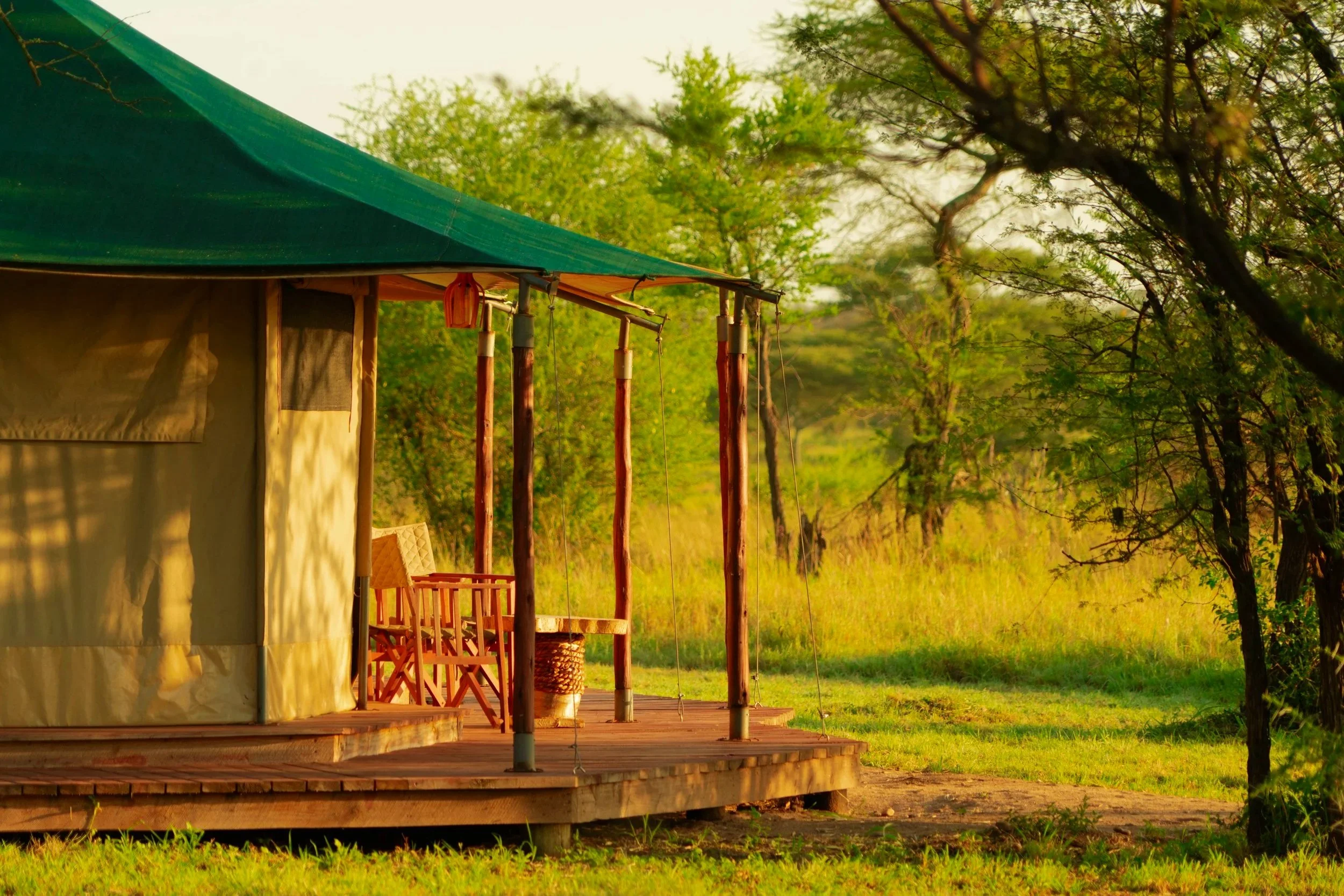
When you visit the Serengeti, you aren't simply coming to see wildlife; you're helping support a protected landscape where even the most elusive species can continue to exist.
Protect wildlife as part of your stay.